
By Public Health Communications • Updated December 2025
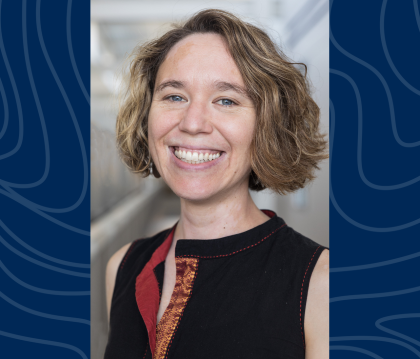
Maria-Elena De Trinidad Young PhD, MPH
How does your research help us understand what is happening in the U.S. right now in terms of immigration policy and health?
I approach my research from the perspective that the immigration system is very influential in people's day-to-day lives. Immigration policies touch people's lives. We should be curious about how it affects people and make sure we're looking at the potential health impacts of those policies.
What I've found is pretty consistent pattern - where you have policies that limit immigrants' rights, their access to public benefits and put them at risk of potential immigration enforcement, you see worse mental health outcomes and greater barriers to being able to access needed healthcare in a timely way.
What do you think is right now is especially important from a public health perspective?
I think one of the most important things from a public health perspective is for us to think beyond sectors that are formally “health” related. There's evidence that people are avoiding accessing healthcare right now, and that’s easy for us to think about from a public health lens because we're focused on health.
But things like policing and the presence of immigration authorities, such as ICE, in people's communities - things that sort of fall more traditionally under aspects of immigration and law enforcement. Those also have really big health impacts. We need to think broadly about the health-impacts of immigration policy.
There's growing recognition that immigration enforcement, like the threat of deportation, is harmful, however, we don't yet really have clear interventions for how to help people in those circumstances. The public health field has largely stayed out of policy debates around immigration policy. But it's time for us to get involved. For example, a possible intervention that could support health is having a state level policy that says that local law enforcement cannot interact with and support immigration authorities.
Some of my research has shown that people who have life experiences carrying the trauma of knowing somebody who's been deported or having experienced negative exclusions are more likely to have psychological distress or have barriers to healthcare. We don't yet have interventions at the clinical-care level to help people contend with and perhaps heal from these negative experiences.
Learn more about our faculty: Visit the Faculty on the Forefront Page