
De Mis Manos a Tu Mesa: Community, Research, and Health Equity
By Public Health Communications • Updated December 2025
Photo credits: Brujo Photography, brujophotography.com
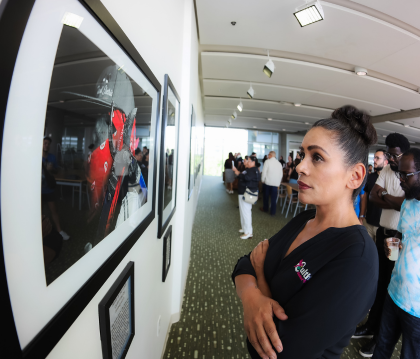
Claudia Corchado of Cultiva Central Valley reflects on a long-standing collaboration with UC Merced faculty Nancy Burke and PhD Student Kesia Garibay to advance health equity for farmworker and immigrant communities. Their partnership highlights community-engaged research, advocacy, and the powerful stories behind De Mis Manos a Tu Mesa.
Dis Mis Manos a Tu Mesa
For fifteen years, my colleagues and I at Cultiva Central Valley have had the opportunity to collaborate closely with several researchers at UC Merced—including Nancy Burke and Kesia Garibay—who share our commitment to advancing health equity for Latino, immigrant, and farmworker families across California’s Central Valley. Our organization is grounded in lived experience, trust, and the leadership of our staff and Promotoras (community health workers), who work every day alongside the communities most impacted by health inequities.
Our partnership with UC Merced has grown through shared values around community engagement, policy advocacy, and research rooted in the realities of farmworking families’ lives. During the COVID-19 pandemic, this collaboration became especially critical. Working together through the National Institutes of Health (NIH) Community Engagement Alliance (CEAL), we helped ensure that Latino immigrant families and farmworkers in Merced County had access to COVID-19 vaccines, take-home testing, and culturally and linguistically appropriate information. In moments of crisis, we were able to respond quickly while also strengthening the long-term relationships that make this work possible.
We also partner closely with Rosa Manzo and Emily Baur to provide on-the-ground community experiences for SJV Prime students. Through these partnerships, we connect students with Promotoras so they can learn firsthand how to work with community residents, understand how environments shape health, and engage with guiding principles of meaningful community engagement.
Over time, our collaborative research expanded to include studies on mental health, organizational capacity for emergency response, and the health impacts of leaving agricultural work without a safety net. Through these efforts, farmworkers shared powerful insights about how limited health insurance, healthcare access, and financial security affect their health long after they stop working in the fields.
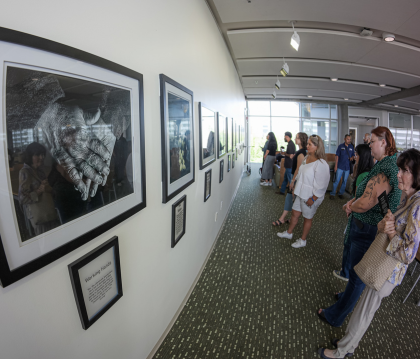
De Mis Manos a Tu Mesa—From My Hands to Your Table emerged from these shared experiences. This photo exhibit reflects years of listening, learning, and partnership. The images and quotes center the voices that have guided our work and remind us why community-engaged research matters. I am proud of this collaboration and grateful for the opportunity to continue working together toward healthier, more equitable futures.
Learn more about our research: Visit the Public Health Research Page