
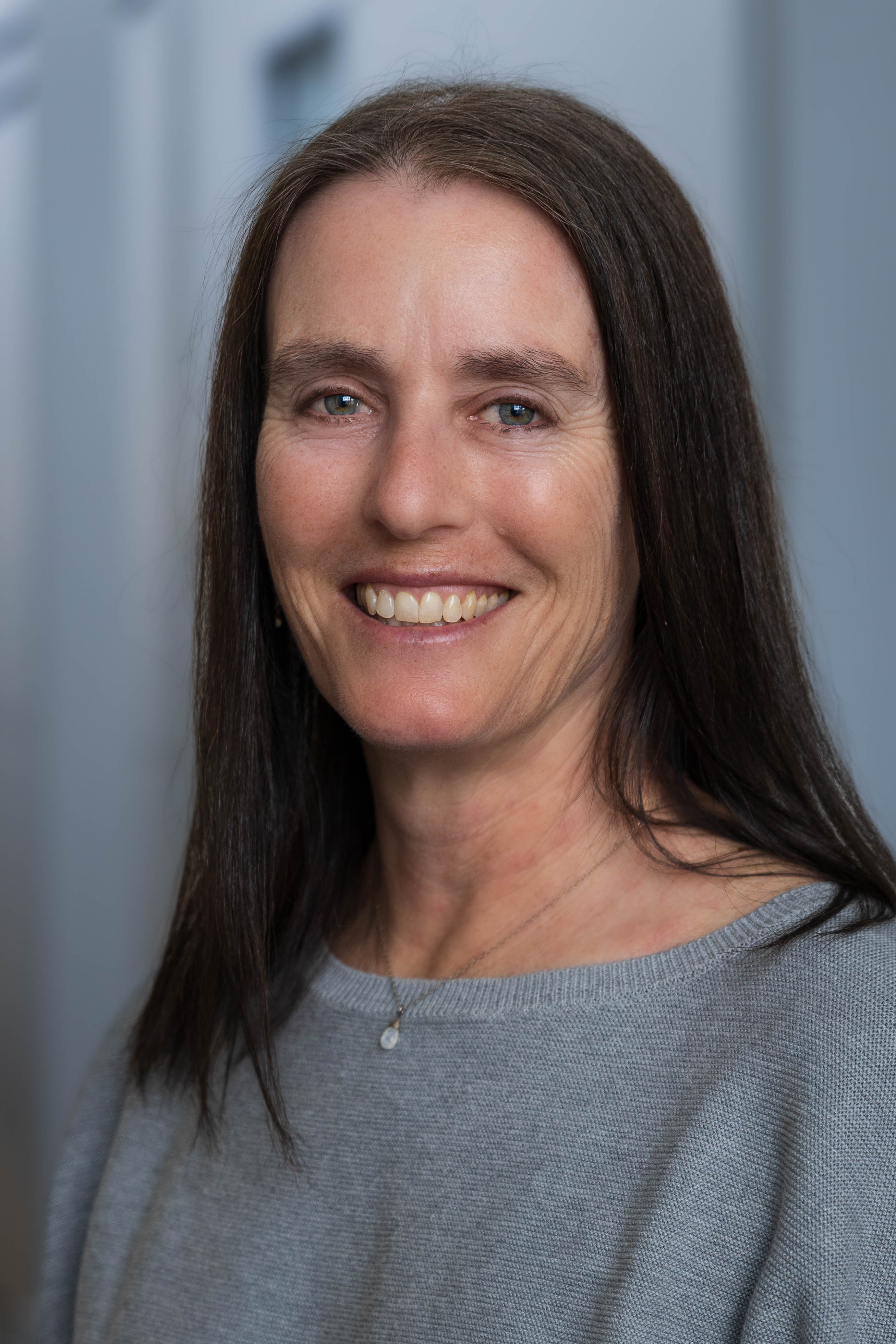
 UC Merced Public Health Professor Dr. Nancy Burke was invited to serve as the keynote speaker for the 2026 Colloquium on Qualitative Health Sciences Research at the University of Oklahoma on April 10, 2026.
Her keynote presentation, Thinking With and Through Language: The Politics and Economics of Translation in Qualitative Health Research, argues that decolonizing fiscal relationships between universities and community-based organizations requires decentering English as the primary language of research in multilingual settings. This approach recognizes, as Membe (2016) contends, that “colonialism rhymes with monolingualism.”
In the talk, Dr. Burke builds on this perspective by examining the many ways translation occurs in qualitative research, the structural constraints that influence methodological decisions, and what is often lost in the process. While researchers widely acknowledge the importance of including speakers of languages other than English—particularly in studies addressing health disparities and inequities—effectively working across languages remains a challenge. Funding and time constraints often lead to translation practices that prioritize efficiency over depth and care.
Drawing on extensive experience with qualitative and mixed-methods studies, Dr. Burke highlights opportunities for gaining greater insight, nuance, and meaning through approaches that prioritize bi- and tri-lingualism in question development, research implementation, and data analysis. She concludes with a discussion of the broader epistemological and political considerations that hinder the routinization of such approaches.
Nancy J. Burke, Ph.D. is Professor of Medical Anthropology and Public Health in the School of Social Sciences Humanities and Arts at the University of California, Merced. She directs the Health Equity Research group and served as Co-Director of the UC-Cuba Academic Initiative from 2015-2025. Professor Burke has designed, led, and collaborated on ethnographic, qualitative, and mixed methods research in community and clinical settings for the last twenty-five years. She employs community-engaged approaches to study the cascading effects of structural racism, chronic illness, and rurality. Her current research includes a focus on aging in the context of the changing Cuban economy and healthcare system, lay health worker/promotora models of care in rural settings, diagnostic and treatment challenges for Valley Fever, and strategic response to climate change among Hmong and Punjabi farmers in California.